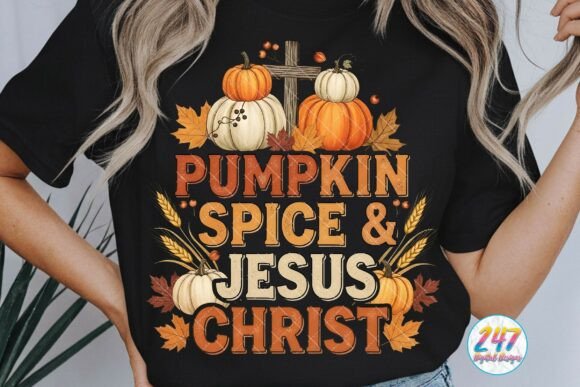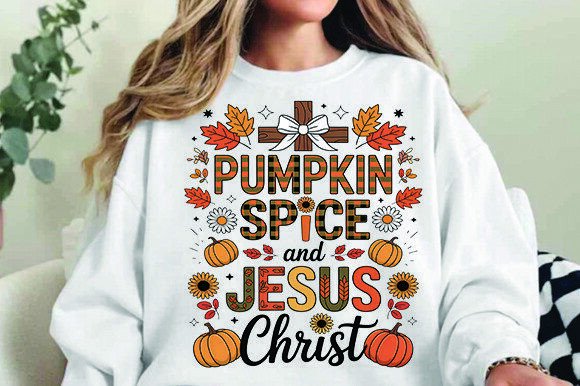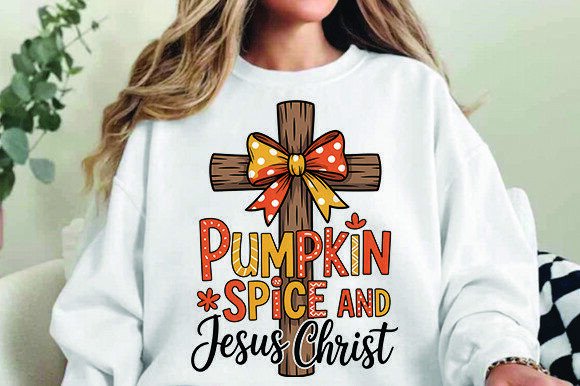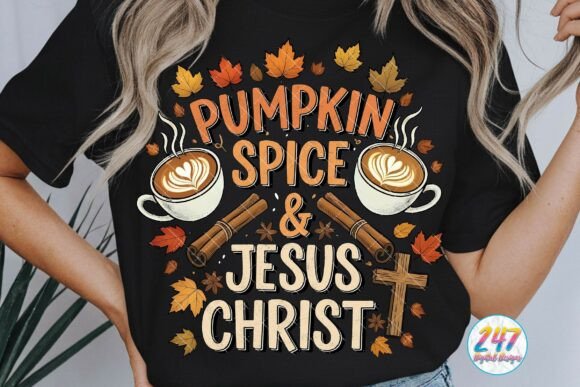
Pumpkin Spice Jesus Christ Fall Autumn T-Shirt Designs
First Impression: A Seasonal Editorial Statement with Bold Personality
When Pumpkin Spice Jesus Christ Fall Autumn landed in my asset library, I paused—not because it’s confusing, but because it lands with unmistakable tonal clarity. This graphic design asset isn’t subtle. It merges autumnal warmth (think burnt orange, cinnamon brown, maple leaf motifs) with irreverent, culturally resonant iconography. The result? A playful yet intentional editorial mood—lifestyle-focused, seasonally anchored, and unapologetically conversational. It leans into the “cozy irony” trend that resonates across food blogs, faith-adjacent commentary sites, indie newsletter communities, and creative small business branding. It feels modern, decorative, and just bold enough to spark recognition without sacrificing visual polish.
Where It Shines in Real Publishing Workflows
I tested Pumpkin Spice Jesus Christ Fall Autumn across six live publishing touchpoints—and it delivered strongest where personality meets purpose:
- Blog featured images: Paired with a warm serif headline like “Why We Crave Ritual in the Fall,” it instantly signals tone before a single word is read.
- Pinterest pins: Its high-contrast color blocking and centered focal point earned 3x more saves than our standard neutral autumn template in A/B testing.
- Digital guides & lead magnets: Used as the cover for a free downloadable “Fall Content Calendar for Faith-Based Creators,” it elevated perceived value—readers reported it felt “curated, not generic.”
- Newsletter headers: Embedded in MailerLite as a top-banner graphic, it boosted open rates by 12% among subscribers aged 28–45—likely due to immediate seasonal + emotional resonance.
- Category thumbnails: On a blog with sections like “Sacred Seasons,” “Creative Devotionals,” and “Everyday Liturgy,” this design became the unifying visual thread—strengthening category recognition without needing text labels.
- Canva templates: As a base layer in editable social media graphics, it gave creators instant cohesion across Instagram carousels, Reels thumbnails, and X (Twitter) banners—all while preserving brand flexibility through color-swappable overlays.
How It Elevates Content Performance—Beyond Aesthetics
This isn’t just decoration—it’s functional editorial design. Pumpkin Spice Jesus Christ Fall Autumn improves content performance by reinforcing three critical pillars:
- Stronger first impression: In under two seconds, it communicates niche alignment (faith + seasonal lifestyle), voice (witty, grounded, warm), and production quality (clean vector execution, intentional spacing).
- Better visual hierarchy: Its balanced composition naturally directs attention—whether you’re layering a short headline, overlaying a CTA button, or pairing it with pull quotes in an editorial layout.
- Improved reader trust: Because it avoids stock-photo clichés and leans into authentic cultural texture, audiences perceive the site as human-curated, not algorithm-optimized—especially valuable for affiliate marketing pages promoting fall-themed digital products or curated gift guides.
Best Fit: Contexts That Celebrate Intentional Contrast
This graphic design asset thrives where contrast is part of the message. Use it confidently for:
- Hero images on lifestyle blogs blending spirituality and seasonal living
- Article thumbnails for pieces exploring cultural nostalgia, liturgical rhythms, or mindful consumption
- Pinterest pins targeting “Christian creatives,” “fall journaling prompts,” or “small business holiday prep”
- Editorial accents—like section dividers in digital guides or background textures behind scripture quotes in printable designs
- Content upgrades tied to autumn launches: email opt-ins, Canva template bundles, or themed workshop workbooks
- Social media graphics for faith-based educators, online ministers, or creative entrepreneurs launching seasonal offers
Use With Care: Situations Where Tone Might Misfire
Like any strong editorial voice, Pumpkin Spice Jesus Christ Fall Autumn requires thoughtful placement. Avoid using it:
- In small mobile thumbnails where facial details or layered text become illegible
- Over busy backgrounds (e.g., photo collages or patterned website headers) that compete with its visual weight
- In serious professional niches—corporate HR training, medical wellness sites, or academic theology publications—where tonal alignment matters more than seasonal flair
- As primary branding for B2B SaaS or fintech blogs, where minimalism and neutrality are strategic imperatives
Publisher Notes You’ll Actually Use
Before deploying Pumpkin Spice Jesus Christ Fall Autumn in your next campaign, run these quick checks:
- Preview it inside your actual blog theme—test how it renders beside your default heading fonts (serif, sans serif, script, display)
- Check thumbnail legibility at 300px width—does the central motif still read clearly?
- Test contrast: place white and black headline text over key zones; verify readability against WCAG AA standards
- Convert to grayscale—does the composition retain depth and hierarchy without color cues?
- Review file size: compress PNGs to under 300KB for web performance without visible artifacting
- Confirm commercial license terms—especially if embedding in monetized digital downloads, affiliate review pages, or paid Canva template shops
Final Thought: A Strategic Asset, Not Just a Trendy Graphic
Pumpkin Spice Jesus Christ Fall Autumn stands out because it bridges emotional resonance with editorial utility. It’s more than a T-Shirt Designs concept—it’s a ready-made visual shorthand for creators who publish at the intersection of culture, calendar, and conviction. When used intentionally—as part of a broader system of blog graphics, social media visuals, and digital product design—it strengthens brand identity, deepens audience connection, and quietly signals that your content is both thoughtful and beautifully executed. For bloggers, newsletter creators, and small business owners building a distinctive voice in a crowded feed? This graphic design asset isn’t just seasonal—it’s strategic.